Compassionate Home Care Services: Supporting Loved Ones in Their Own Space
Compassionate home care services provide crucial support for individuals wanting to stay in their familiar surroundings. These services address diverse needs, spanning daily help to specialized medical care. By prioritizing emotional well-being and maintaining dignity, caregivers foster valuable relationships with family. Yet, many stay uninformed of the full spectrum of benefits that home care can provide. Understanding these aspects is essential for making informed decisions about care options. What lies ahead in this exploration?
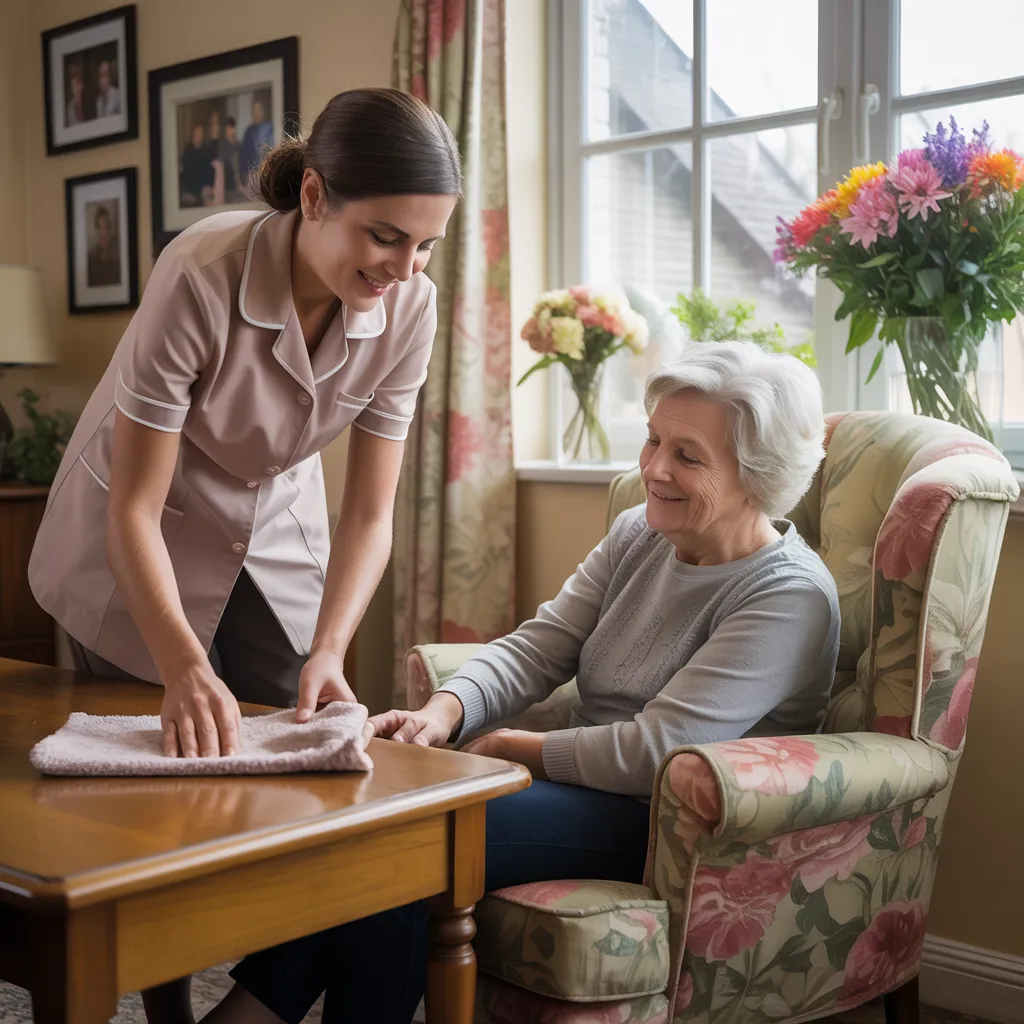
Important Details About Home Care Solutions
Home care services play a crucial role in supporting clients who require assistance because of age, illness, or disability. These programs cover a range of personalized care options, including both medical and non-medical support tailored to each individual’s needs. Care may involve help with everyday activities like bathing, dressing, and meal preparation, as well as skilled nursing services such as medication management and physical therapy.
Families often seek home care to enable their loved ones to stay in comfortable environments while receiving necessary support. It can provide significant relief for family caregivers, who may have difficulty to juggle work and personal responsibilities. Comprehending the various types of home care services available is essential for choosing wisely. Evaluating the particular requirements of the individual and researching local service providers can help families select the right care plan, guaranteeing that their loved ones receive compassionate and effective support at home.
Key Benefits of Home Care for Elderly Individuals
Home care programs supply major perks for seniors, underlining their independence and personal worth. Tailored care plans ensure that individual needs are met, promoting a higher quality of daily life. Also, obtaining support in a recognizable environment can enhance emotional wellness and comfort.
Enhanced Autonomy And Dignity
Many older adults experience a need for autonomy as they age, making greater independence a key aspect of in-home care. By receiving care in their home environment, seniors can keep control over their day-to-day activities and personal choices. This tactic fosters a sense of dignity, allowing them to engage in activities that promote health and confidence. Home care services facilitate seniors to participate in decision-making about their care while furnishing support with daily tasks, ensuring they can live as self-sufficiently as possible. Additionally, the support person's companionship can alleviate isolation feelings, enabling seniors to sustain social connections and engage in hobbies. Ultimately, home care services strengthen both independence and dignity, positively impacting to seniors' overall life satisfaction.
Customized Medical Programs
Personalized care strategies play a vital role in maximizing the effectiveness of home care services for seniors, as they cater to individual needs and preferences. These customized plans consider each senior's unique medical history, lifestyle choices, and personal goals, ensuring that care is both appropriate and suitable. By focusing on specific requirements, caregivers can provide targeted support, improving the quality of life for seniors. Additionally, personalized care plans facilitate better communication between caregivers and families, fostering a cooperative approach to care. This alignment not only builds trust but also empowers seniors to take an active role in their own care journey. Fundamentally, personalized care plans are essential in delivering compassionate, effective home care tailored to each individual’s circumstances.
Known Surroundings Strengths
While adjusting to new surroundings can be challenging for seniors, receiving care in a known environment offers numerous advantages. Remaining in their own homes allows seniors to preserve a sense of autonomy and control over their daily routines. Familiar settings can decrease anxiety and confusion, promoting a feeling of security and comfort. Additionally, home care allows seniors to stay close to beloved memories and personal belongings, which can enhance emotional well-being. Social connections are also reinforced, as they can easily have visitors from family and friends. Moreover, caregivers can customize support to fit their unique environment, ensuring that assistance aligns with the senior's specific requirements and preferences. In summary, home care promotes a holistic approach to well-being in a comforting space.

Home Care Service Divisions
Home care services encompass a variety of types created to address varied individual needs. These services can broadly be divided into non-medical and medical care. Non-medical home care usually includes assistance with daily living activities, such as personal hygiene, meal preparation, and companionship. Caregivers may also help with light housekeeping and errands, promoting a comfortable and supportive environment.
By contrast, medical home care comprises skilled services rendered by credentialed experts. This may include medical nursing, physical therapy, and medication management, adjusted to people managing specific health conditions. Furthermore, specialized services including comfort-oriented care fulfill the requirements of patients with recurring health problems, placing emphasis on comfort and quality of life.
Picking the Most Suitable Residential Care Organization
How can a person ensure they pick the most fitting home care provider? The process starts with determining distinct needs, as requirements can differ greatly among persons. Conducting detailed study is crucial; prospective customers should examine different agencies and their programs. Internet testimonials and endorsements can offer perspectives into the caliber of care provided.
In addition, meetings with potential caregivers are important. These conversations enable families to evaluate fit, assess their communication approach, and clarify service approaches. It is also important to inquire about the qualifications and training of care professionals, confirming they possess the necessary competencies and qualifications.
Moreover, comprehending the monetary elements, encompassing payment options and insurance coverage, is important to prevent unexpected expenses. Finally, trust and ease are paramount; families should feel confident that their loved ones will receive compassionate, reliable care in their own homes.
Common Misunderstandings About Home Care Services
Many persons hold false notions about home care offerings, particularly regarding their expense and range. It is often thought that home care is very costly and offers limited services. Clearing up these false notions is crucial for an clearer understanding of what home care can deliver.
Home Care Is Expensive
Refuting the myth that home care offerings are prohibitively expensive presents a more nuanced understanding. While some may see the costs as substantial, it's important to factor the value provided into account. Home care can typically be more reasonably priced than alternatives including nursing homes or assisted living facilities, especially when considering the costs of relocation and extra services. Additionally, many families observe that home care supports their loved ones' self-determination, potentially delaying the need for more intensive care. Coverage policies, government programs, and aid programs can also reduce expenses. Understanding the full benefits of home care can transform perspectives, establishing it as a viable option for those looking for quality support in a known surrounding.
Limited Options Provided
conviction that they provide
Parents Engaging in Home Care
Being involved in in-home care requires families to assume an hands-on role in their loved one's overall health. This involvement can happen through steady communication and cooperation with caregivers to guarantee that care plans meet the individual’s needs. Families should engage in daily routines, aiding meals, medication management, and personal care tasks when possible.
Also, families can create a nurturing setting by promoting social interactions and taking part in community events as a group. Establishing a consistent timetable for appointments can help track the family member's advancement and adjust care strategies as necessary.
Moreover, relatives are advised to develop understanding about specific health conditions, which can enhance their competence to provide aware assistance. By remaining engaged, relatives not only contribute to their loved one's physical health but also cultivate emotional well-being, producing a nurturing atmosphere that strengthens autonomy and dignity in the in-home care setting.
Success Stories in Home Care
While the obstacles of at-home care can be significant, many families have uncovered remarkable success stories that illustrate its likely rewards. One such story involves the Johnson family, who successfully implemented in-home read more care for their elderly mother, permitting her to continue in her treasured surroundings. The dedicated care assistant delivered not only personal assistance but also companionship, which markedly enhanced her mental health.
Another inspiring example is the Garcia family, who faced the daunting challenge of handling their son's complex medical needs at home. With the assistance of skilled home care professionals, they created a nurturing atmosphere that promoted independence and growth. Their son flourished, reaching milestones previously thought unattainable.
These motivational stories confirm that, with suitable support, home care can better the quality of life for both people and their loved ones, producing treasured moments while sustaining integrity and peacefulness in familiar surroundings.
Frequently Requested Questions
How Can I Settle for Home Care Services?
Individuals can cover home care programs through personal savings, long-term care insurance, Medicaid, or Medicare, contingent on eligibility. Exploring various funding options guarantees that families secure suitable budgetary arrangements for vital care resources.
Will Home Care Services Consider Your Pets?
Home care offerings can usually welcome pets, subject to the provider's policies. It's crucial for families to communicate particular concerns and arrangements with the organization to ensure a welcoming space for both the individual and their pets.
What Credentials Do Care Workers Usually Show?
Caregivers usually hold professional credentials in clinical care or supportive assistance, preparation in CPR and first aid, and often have experience in care for the elderly. Many also go through background vetting and receive advanced training to provide for individual client needs.
How Can I Reduce Care Staff Staff Attrition?
To combat caregiver turnover, one should prioritize enhancing feedback, presenting competitive wages, delivering ongoing training, and fostering a supportive work environment. These methods can improve employee retention and motivate caregivers to continue dedicated long-term.
Can Younger Adults Obtain Home Care Support?
Yes, at-home support is offered for younger adults. Many agencies offer bespoke care to address the unique needs of this category, delivering support for various conditions, such as handicaps, recurring health problems, or surgical healing.